



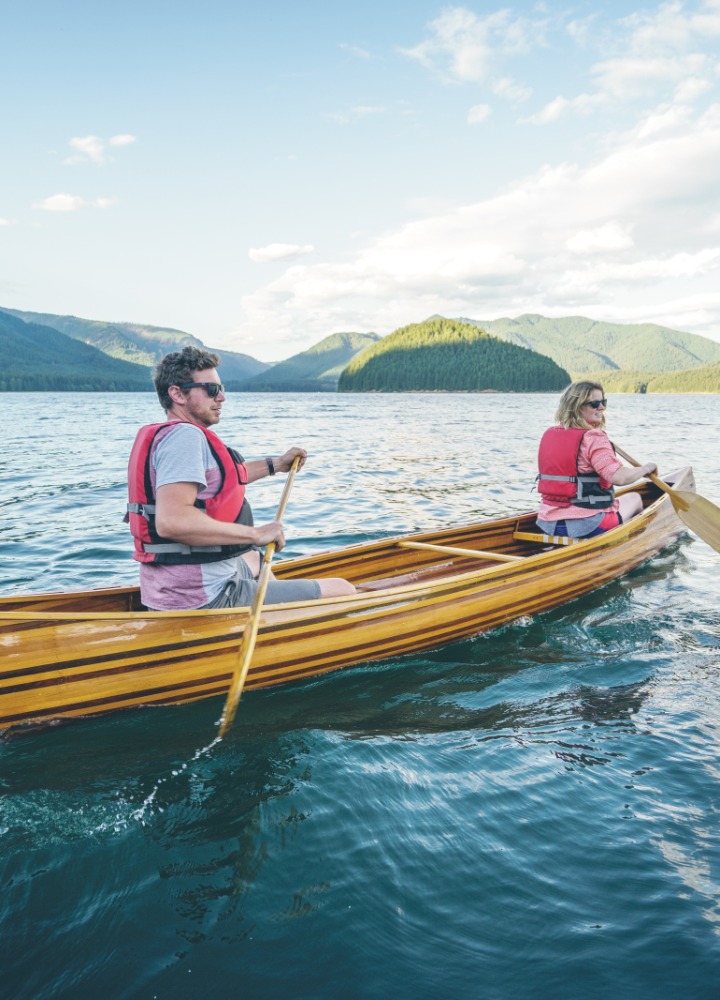
Water Safety In The Willamette Valley
Whether relaxing with an afternoon paddle in the lakes and reservoirs around Albany, starting a multi-day trip on the Willamette Water Trail, or getting on the water elsewhere in the Willamette Valley, you'll want to know the basics before getting started. Here's a quick rundown of what to know for a fun, safe experience on the water:
Get Ready With All the Necessary Gear
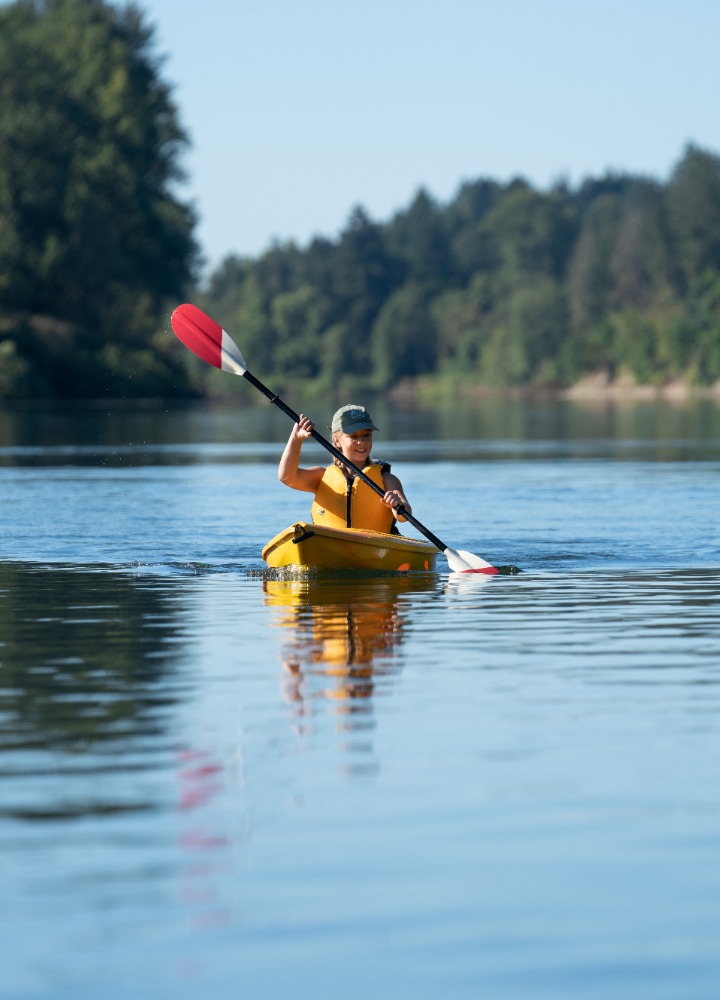
All non-motorized boats are required to carry an Oregon State Marine Board Waterway Access Permit.
Permits run $6 for a seven-day pass, $20 for an annual pass, and $35 for a two-year pass—and are available online, at Oregon Department of Fish and Wildlife (ODFW) offices, and via official ODFW agents (such as convenience stores and department stores).
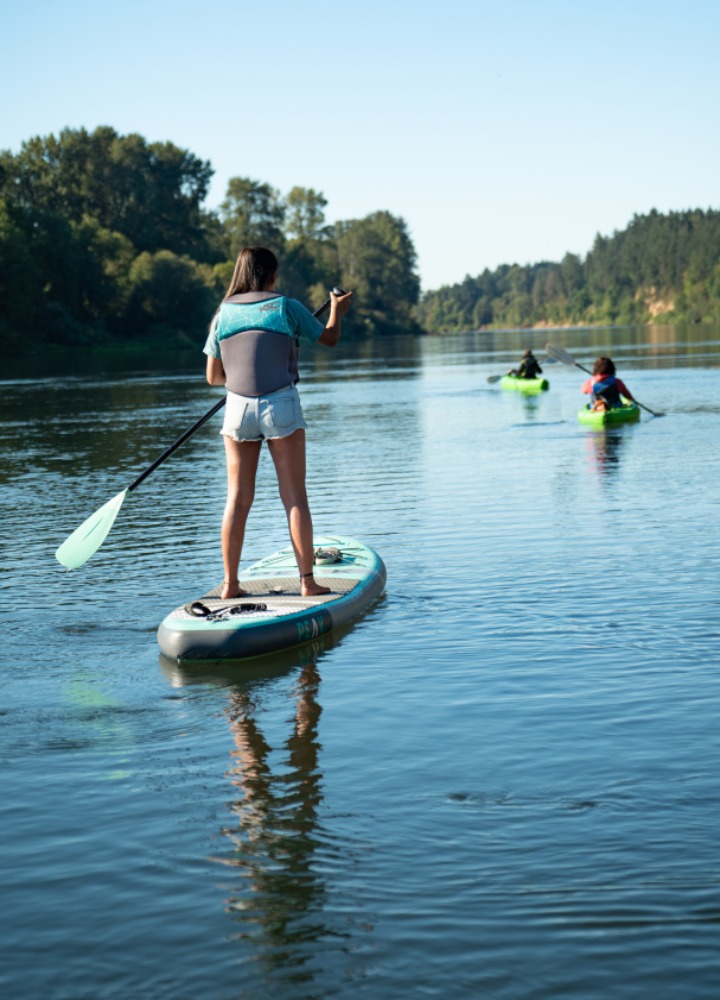
Children 12 and younger are required to wear a U.S. Coast Guard-approved personal floatation device (PFD or life jacket) whenever the boat is underway—and life jackets are strongly encouraged for everyone else. Learn more about different styles of life jackets, and see how to choose the right PFD for your preferred activity.
Life jacket loaner stations are available at numerous paddling stops throughout the Willamette Valley.
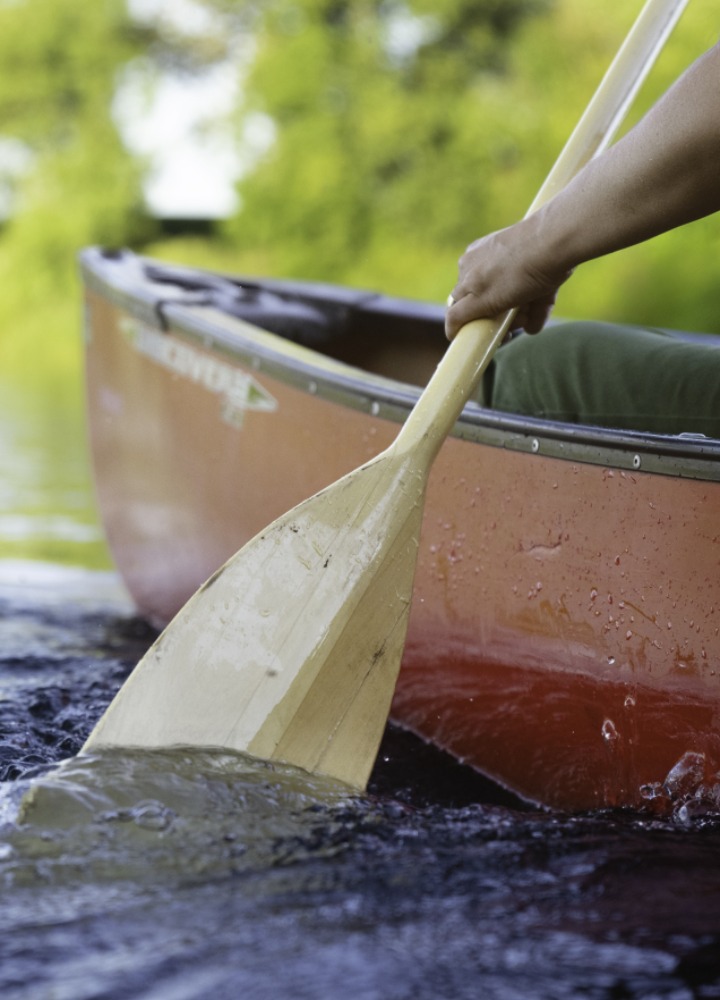
In addition to a Waterway Access Permit and well-fitted life jacket, you'll need two other pieces of gear before getting on the water. All boats shorter than 39 feet, 4 inches, must carry a whistle—which can be easily attached to a life jacket—or compressed air horn.
Boaters must also have (and use) navigation lights after sunset, before sunrise, and when visibility is limited.
Plan a Fun, Safe Trip
Once you've grabbed the necessary gear and have picked out where you'd like to paddle, make it a perfect day on the water with just a bit of advance research.
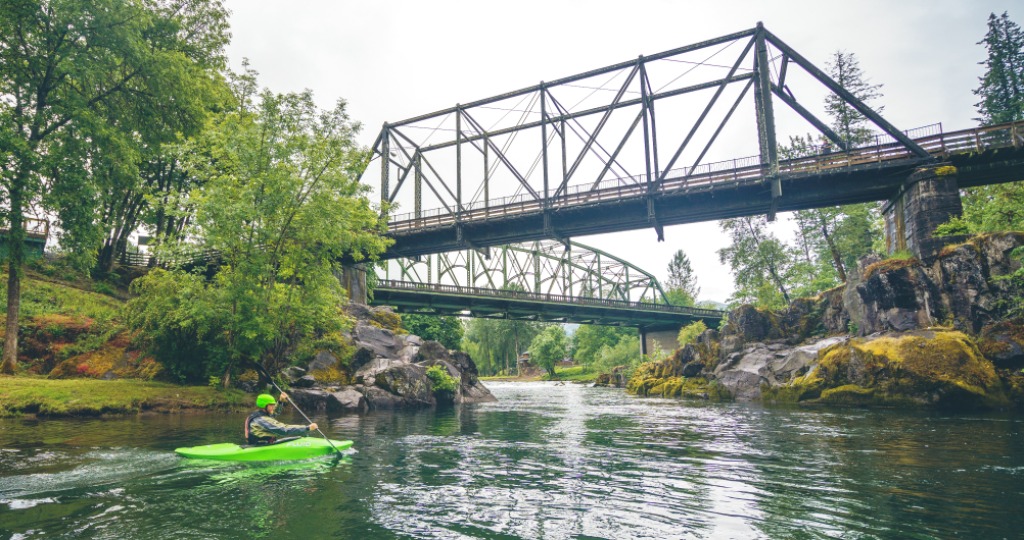
First and foremost, figure out where you'd like to put in and take out. The Boat Oregon Online Map includes access points across the state, along with what facilities can be found at each stop.
Second, check water levels and the weather forecast to make sure conditions will be optimal—and be sure to bring extra clothing if the temperatures look a little cool.
Third, check an updated map of boating obstructions—complete with specific locations, descriptions, and when each hurdle was reported.
Finally, check out Willamette Riverkeeper's Willamette Water Trail map for a breakdown of restrooms, parking, public docks, and other useful stops on the Willamette River.
What to Know on the Water
Once you're on the water, always be mindful of public property. The river is a public resource, but the banks may be privately owned by farms or homeowners. Assume that property is private unless otherwise noted on a sign or map, and always use developed public access facilities to put in and take out.